

Community is bringing that back—here’s how
Creative work meets community power.
Remember Clubhouse? Or Klout? Or those networking breakfasts where you collected more business cards than actual conversations?
For a while, the buzz was all about visibility—how far your reach went, how many connections you could tally, how often you could show up online. But we’re seeing the tail end of that era and the start of something deeper.
Across industries, there’s a quiet movement happening. People are community-curious again (maybe especially Gen Z?). But this time, they’re not chasing numbers. They’re chasing meaning.
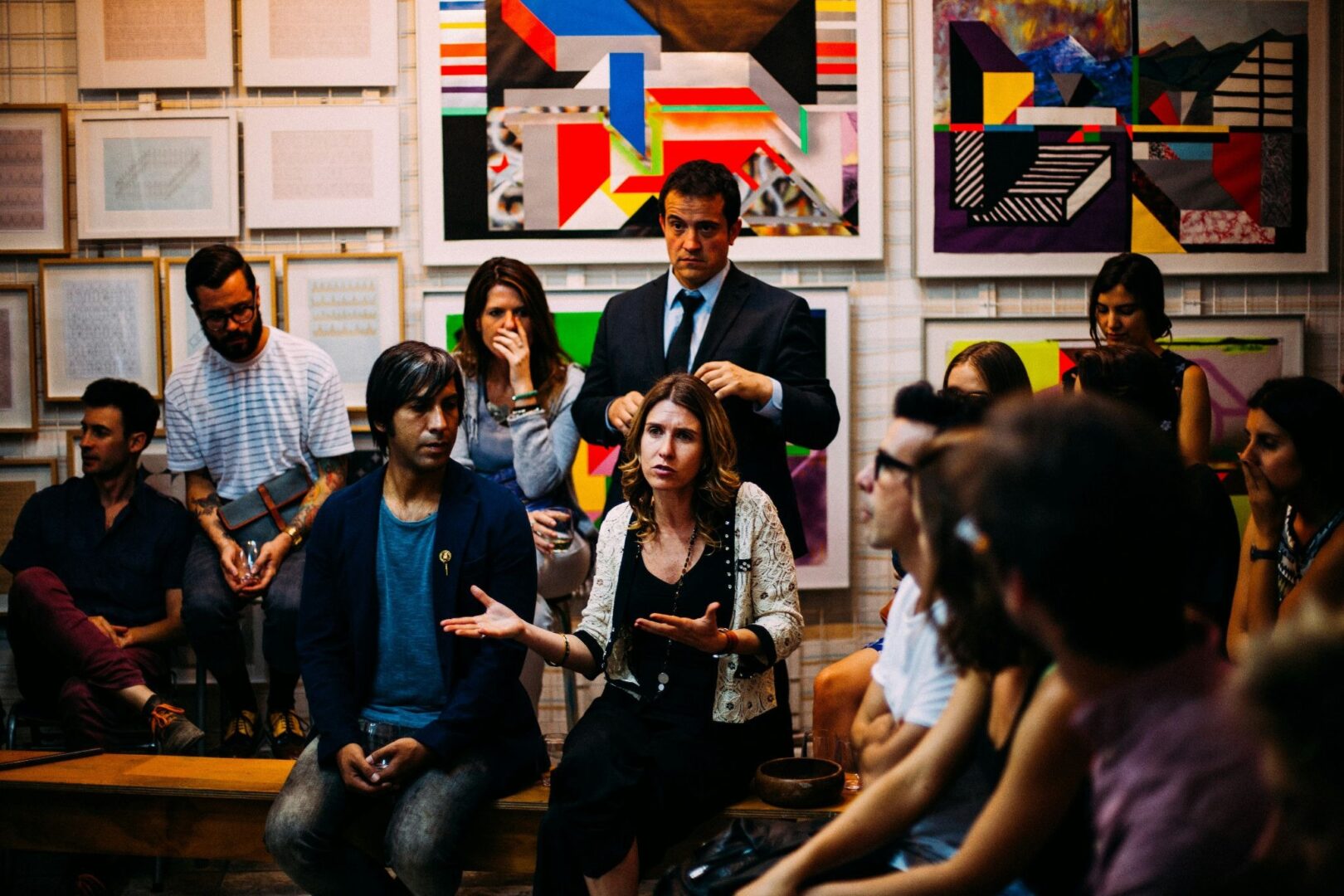
Illustration by Antenna on Unsplash
At Creative Business Inc., we’re calling it our “summer of community,” as I dashed across the state and across the world to attend different IRL events: an enchanting gala in Denver, a meaningful trade show, a quiet dinner hosted in the city, a DO Whales conference.
And if you’ve felt the pull to connect more intentionally (with your peers, your team, even your clients), you’re not alone. We’ve seen it in our own backyard dinners, in the WhatsApp groups that keep us connected across continents, and in the quiet realization that business is better when we feel like we belong.
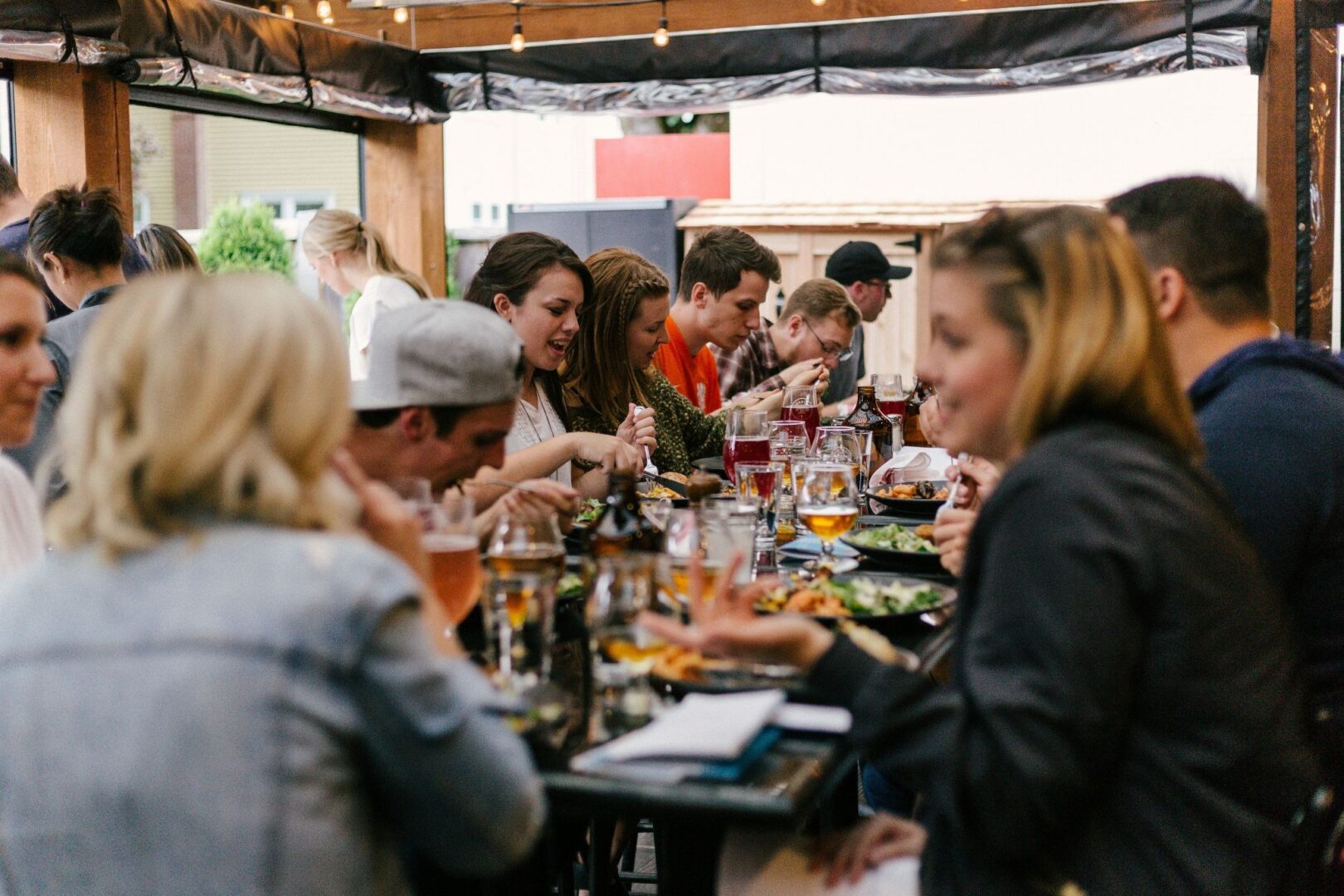
Illustration by Priscilla Du Preez on Unsplash
What’s really changing (and why it matters)
In our world, where accounting meets creativity and ambition, community is evolving in three big ways:
1. From quantity to quality
Gone are the days of measuring impact by followers or email list size. Now it’s about real relationships: Who do you trust? Who gets what you’re building? Who would you call for advice, not just applause? In a time when everyone’s shouting into the void, people are craving closeness.
2. From conferences to backyard dinners
Yes, big events still matter. But there’s something powerful about small, intimate gatherings. I’ve attended a couple relaxed, no-pitch dinners lately, filled to the brim with private-chef-concocted dishes and real conversations. People showed up as parents, creatives, business owners. Conversations flowed from revenue goals to where our kids are heading off to college. No agenda, just connection. And that’s what made it powerful.
3. From lurkers to leaders
People might join to lurk, but they stay when they feel seen. That means designing spaces online and offline that welcome differences. I think the most meaningful communities are often the ones where everyone has permission to show up fully.
And maybe most important of all: These communities aren’t just good for morale. They’re good for business.
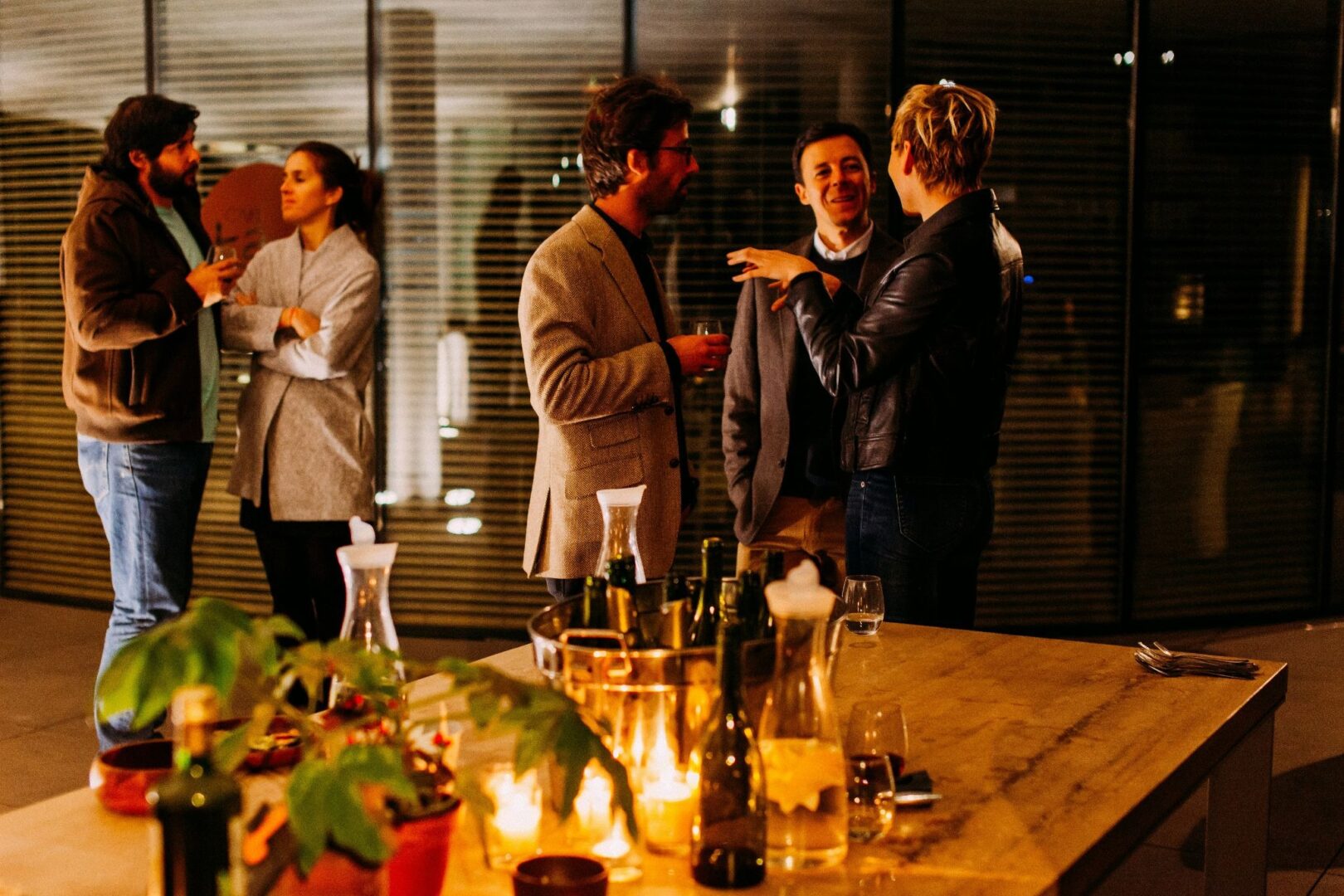
Illustration by Antenna on Unsplash
What leaders should know about community today
So what’s the business case?
- Community builds trust, and trust builds pipelines.
- It opens up global perspectives, especially in hybrid spaces like WhatsApp groups or Slack forums.
- It’s where your future hires and collaborators are already hanging out.
- And, unlike a cold lead or a LinkedIn DM, it feels good to be part of something real.
But it doesn’t happen by accident. The best communities are curated, intentional, and sometimes… a little scrappy.
Think: Private dinners. Five-city tours. Walk-and-talk meetups. “No pitch” zones.
These aren’t events. They’re experiences. They’re culture-building. And they reflect your values as much as your business card ever could. In a world flooded with content, communities are where we pause and actually listen.
Adding it all up...
At a time when it’s easy to feel fragmented or overwhelmed, community offers something rare: continuity. Real conversation. The sense that we’re building this future together.
This kind of resonance is a powerful business strategy. Because when you build spaces where people can show up fully, they tend to stick around. They refer clients. They share resources. They help each other grow. And they remind us that even in this digital, data-driven world, we still crave something that feels deeply human.
So here’s to building community and participating in community not for the optics, but for the outcomes, but for growth that’s human, joyful, and deeply connected.